That evening, I was scrolling through my phone with a cup of tea in my hand when I stumbled upon a post from a blog called *What Do You Do, Dear?* The author, Mary Evelyn, wrote about raising her son Simeon. Something about the way she wrote felt honest and quiet, like someone speaking softly in a crowded room. I didn’t know her personally, but by the time I reached the middle of the post, I felt like I did. ☕
Mary Evelyn described a small moment that many parents might overlook. Simeon had stood up for the first time with the help of new leg braces. She snapped a photo quickly, almost without thinking, and posted it online. The picture showed Simeon holding onto the couch, concentrating hard, his tiny hands gripping the cushion as if it were the most important job in the world.
A few minutes later, her phone rang. It was her mother, breathless with excitement.
“Everyone is so thrilled!” her mother said. “They’re all sharing the photo!”
But Mary Evelyn wrote that instead of feeling proud, she felt something unexpected—panic. Not because she wasn’t happy for Simeon. Of course she was. But she suddenly realized that the world might start turning that moment into a story that didn’t belong to him.
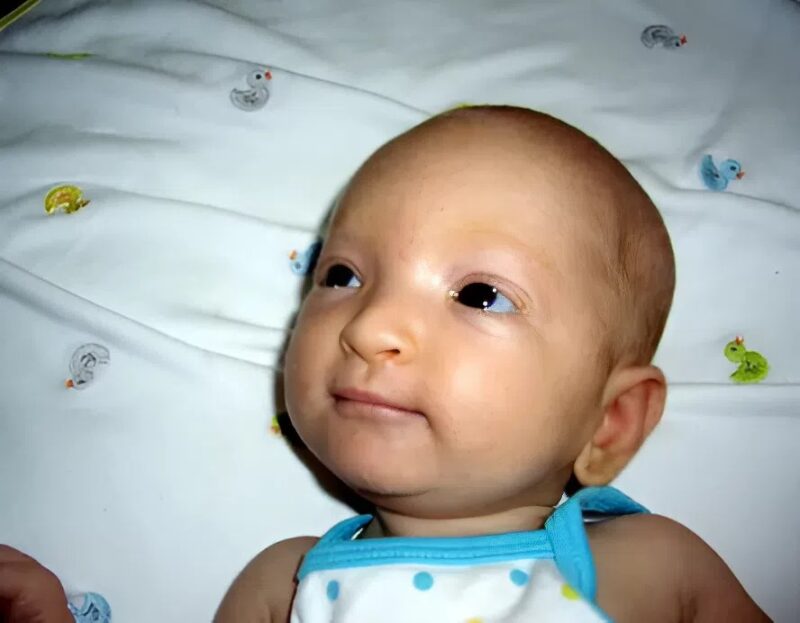
When I finished reading her words, I sat quietly for a while. Because I knew exactly what she meant.
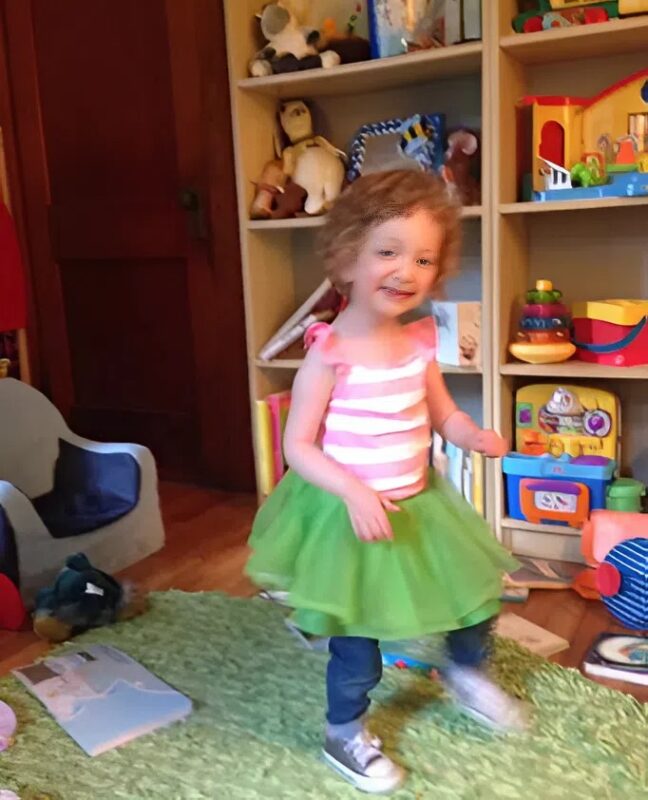
My daughter Fiona had recently started walking. Not perfectly—her steps were small and wobbly, and sometimes she reached out her arms like a tiny airplane trying to find balance. But she walked. And the moment people noticed, the comments began pouring in.
“She’s amazing!”
“She proved everyone wrong!”
“She’s a miracle!”
People meant well. I knew that. They adored Fiona. They clapped when she took steps across the living room, and they cheered like they were watching the final seconds of a championship game. 🎉
But every time someone said those things, I felt a strange knot inside my chest.
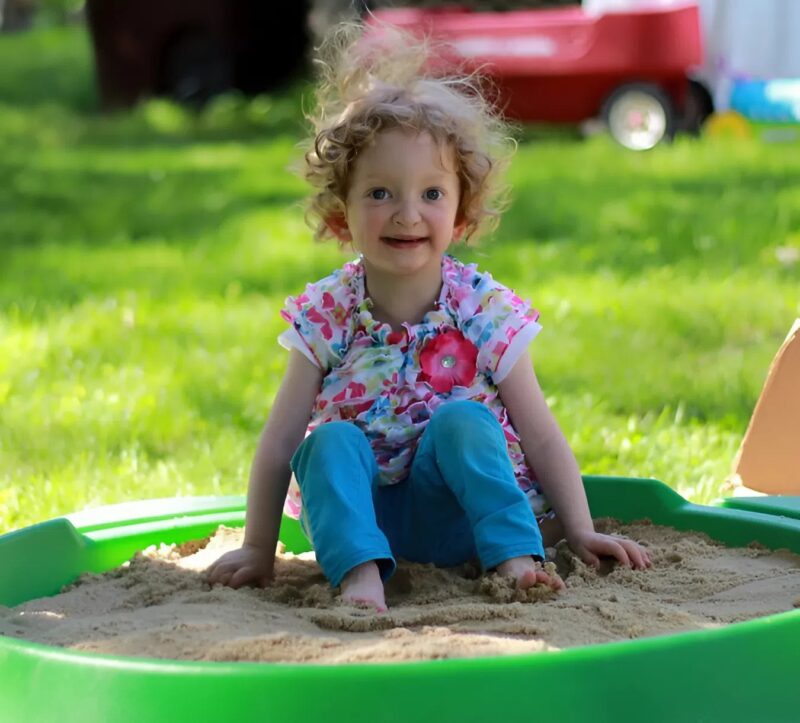
Because Fiona wasn’t trying to prove anything to anyone. She wasn’t trying to beat some imaginary scoreboard of expectations. She was simply being herself—curious, stubborn, and endlessly fascinated by the world.
The truth was, Fiona’s walking didn’t arrive in some dramatic cinematic moment. There was no music swelling in the background. No slow-motion applause. One afternoon she simply let go of the coffee table and took three careful steps toward the family dog. 🐕
Then she sat down and giggled like it was the funniest thing she had ever done.
That was it.
No miracle soundtrack. Just a little girl laughing on the carpet.
Still, the story people wanted to tell about her kept growing. Friends posted heart emojis and inspirational captions. Someone even wrote, “She beat the odds!”
But the odds weren’t something Fiona had fought against. They were simply numbers floating somewhere in a doctor’s chart. Fiona didn’t know about them, and honestly, she didn’t care.
What she cared about was chasing bubbles in the backyard. 🫧
What she cared about was the way sunlight reflected off the kitchen floor.
What she cared about was our old golden retriever, who patiently allowed Fiona to hold his ear while she practiced standing.
Mary Evelyn’s words stayed with me for days. Especially the part where she wondered why the world always wanted stories to end with a big triumphant moment.
Maybe people needed inspiration. Maybe they liked neat conclusions, the kind where everything suddenly becomes easy and perfect. Like the final scene of a movie. 🎬
But real life wasn’t built like that.
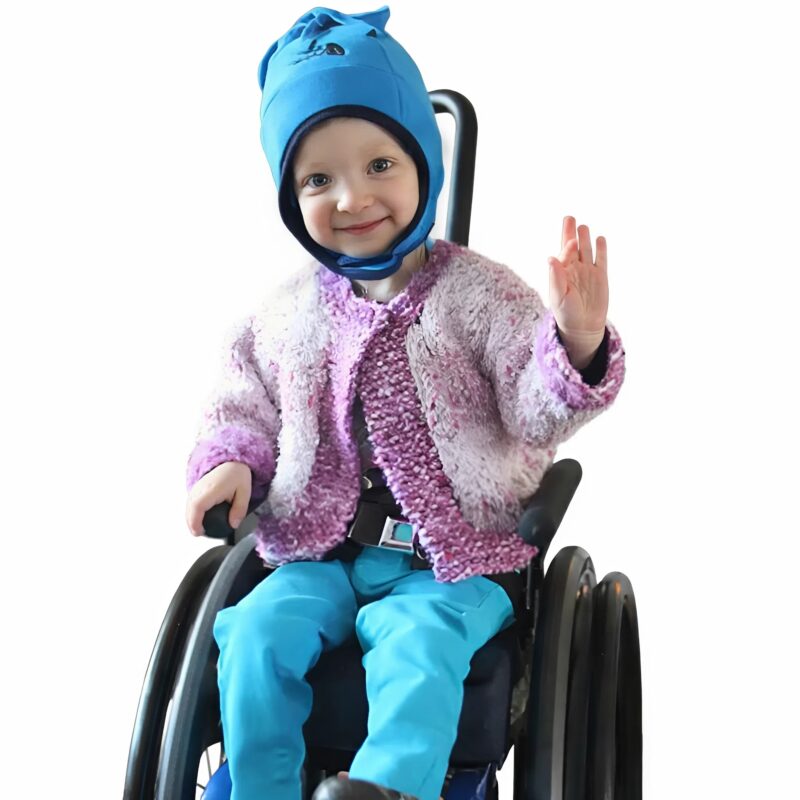
Fiona still fell sometimes. She still moved through the world in her own unique rhythm. Some days she preferred using her little wheelchair—the bright red one her therapist had helped us choose. It was light as a feather and turned so smoothly it almost looked like it was dancing.
The first time she rolled across the living room in it, she grinned like she had discovered a secret portal. 🚪
And honestly, she had.
Because Fiona didn’t see her world as limited. She saw it as wide open.
Weeks passed after I read Mary Evelyn’s post. Life went on the way it always does—laundry piling up, breakfast crumbs on the table, toys mysteriously appearing in every corner of the house.
Then one Saturday morning, something small happened that changed the way I thought about everything.
Fiona was sitting on the floor with a pile of colorful blocks. I was answering emails nearby, only half paying attention. She stacked two blocks, then three, then four.
Suddenly the tower tipped over.
Before I could react, Fiona burst out laughing. Not a polite giggle—an unstoppable, belly-deep laugh that filled the entire room. 😂
Her laughter was so contagious that I started laughing too, even though nothing particularly funny had happened.
The dog barked in confusion.
Fiona clapped her hands and pointed at the fallen tower as if it were the greatest comedy show on earth. 🎈
And in that moment, something clicked for me.
All those stories people told about Fiona—the ones about miracles and victories—completely missed the point.
The real magic wasn’t in whether she walked or rolled or stumbled.
The real magic was in that laugh.
It was in the way she could turn a collapsed tower of plastic blocks into a moment of pure joy.
Later that day, I thought again about Mary Evelyn and Simeon. I imagined him standing by the couch, concentrating fiercely while the world rushed to write a story around him.
But children don’t live inside those stories.
They live inside moments.
The warm hug in the morning. 🤗
The excitement of discovering a new game. 🎲
The comfort of familiar voices.
That night, Fiona curled up beside me on the couch. Her tiny hand rested on my arm, and she was humming softly to herself. 🌙
I realized something then that I hadn’t fully understood before.
People often believe life’s most important moments are the loud ones—the dramatic breakthroughs, the moments everyone applauds.
But the truth is quieter.
Sometimes the most important moment in a person’s life is simply hearing their child laugh in the next room.
And if you had asked me that morning what the most extraordinary thing about Fiona was, I might have said her determination.
But now I knew better.
The most extraordinary thing about Fiona was that she had quietly taught me what truly matters—without ever trying to prove anything at all. 💛