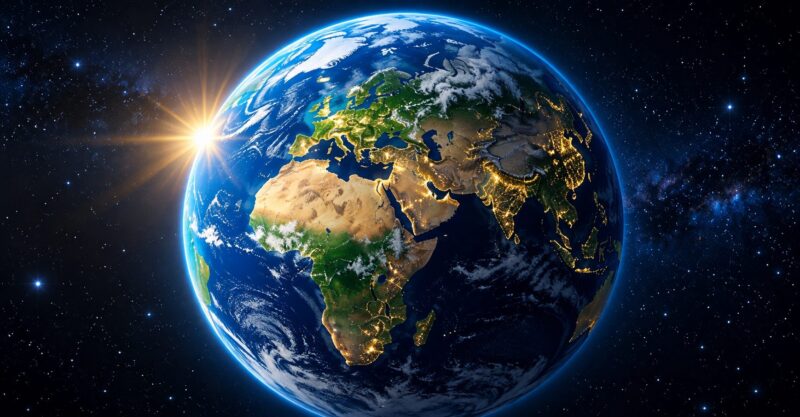
Across the world, population is changing in dramatically different ways. In some countries, rapidly growing cities are struggling to provide enough housing, transportation, schools, healthcare, food, and clean water for millions of people. In others, falling birth rates and aging populations are creating labor shortages, empty communities, and increasing pressure on social systems. India now has the world’s largest population, while tiny Vatican City has only a few hundred residents. These extremes reveal an important truth: population size alone is not the real issue. The greater challenge is whether societies can adapt successfully to demographic change.
Across the world, population is changing in dramatically different ways. In some countries, rapidly growing cities are struggling to provide enough housing, transportation, schools, healthcare, food, and clean water for millions of people. In others, falling birth rates and aging populations are creating labor shortages, empty communities, and increasing pressure on social systems. India now has the world’s largest population, while tiny Vatican City has only a few hundred residents. These extremes reveal an important truth: population size alone is not the real issue. The greater challenge is whether societies can adapt successfully to demographic change.
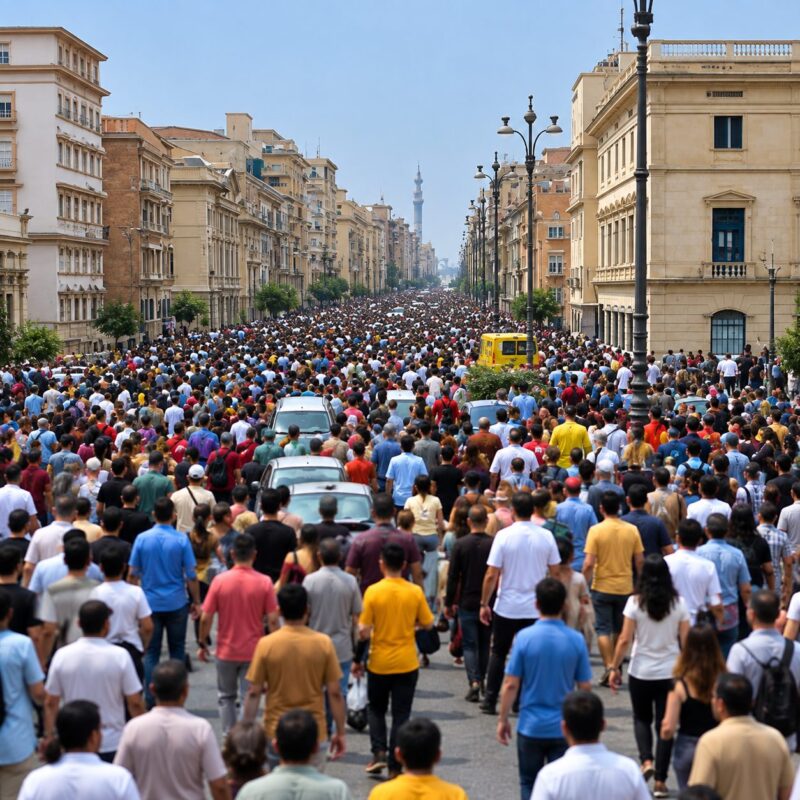
I was standing on the rooftop of a tall building early in the morning, looking down at the enormous city below. Endless rows of buildings, roads, people, and cars stretched in every direction. The streets were already crowded. Buses at the stops could barely fit more passengers, trains were packed, market sellers were calling out to customers, and long streams of parents and children moved toward schools.
I had come to India to understand one seemingly simple question: what does it really mean to live in the world’s most populous country?
The numbers were enormous. More than eight billion people now live on Earth, and around 1.45 billion of them live in India. But when I looked at the city from above, that number no longer felt like a statistic. It was moving through the streets, boarding buses, standing in lines, and rushing to work, school, and hospitals.
I went down into the city and entered one of its busiest streets. There were so many people around me that sometimes it was difficult even to stop. Bicycles, cars, motorcycles, and buses all moved at the same time.
Near a metro station, I met a young man who told me:
“If you leave home a little late in the morning, you can spend hours stuck in traffic.”
He smiled, but then his expression became serious.
“There are many people. There are jobs too, but the competition is intense. Everyone is trying to move forward.”
That day, I also visited a school. The classrooms were full of children. Teachers were doing their best to give attention to everyone, but it was not easy. Later, I went to a public hospital. Dozens of people were waiting in the reception area.
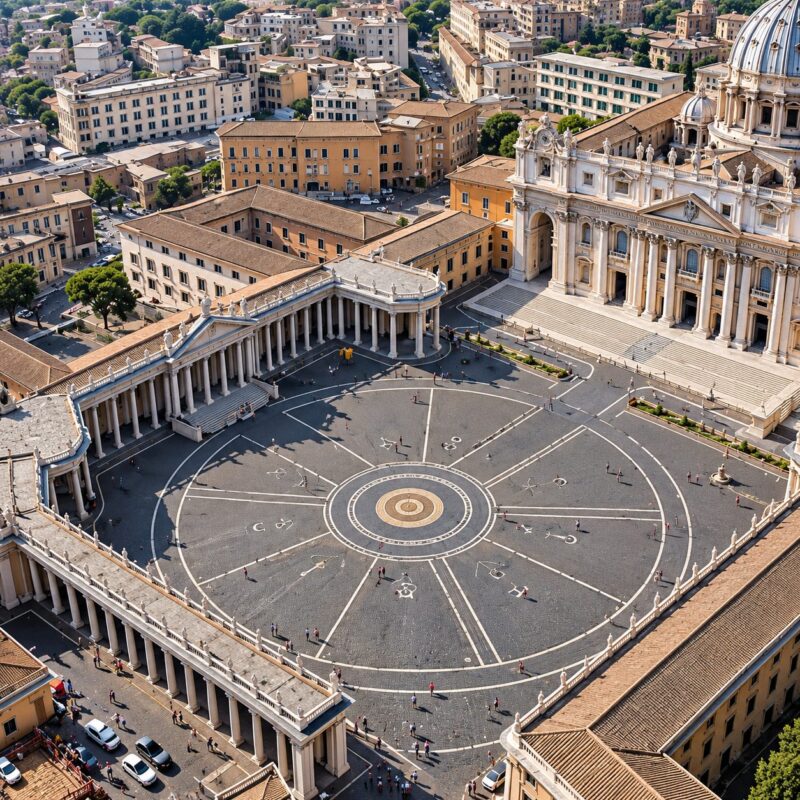
That was when I truly understood that rapid population growth is not just a big number. As the number of people increases, more homes, schools, hospitals, roads, water, food, and jobs are needed.
If a city cannot develop at the same pace, problems begin to appear.
Housing becomes more expensive.
Roads become more congested.
Public transportation becomes overcrowded.
Hospitals and schools sometimes struggle to serve everyone.
But I noticed something else too. A large population did not only create problems. The streets were full of incredible energy. Young people were opening small businesses, technology companies were growing, construction was everywhere, and new ideas seemed to be emerging constantly.
An economist I spoke with told me:
“A large population can be a great opportunity if people have access to education, jobs, and strong infrastructure.”
I remembered that sentence a few days later when I traveled to a completely different place.
My next stop was Vatican City.
When I first walked through it, the contrast was almost unbelievable. Only a few days earlier, I had been standing in the middle of a giant city filled with millions of people. Now I was in one of the least populated independent states in the world.
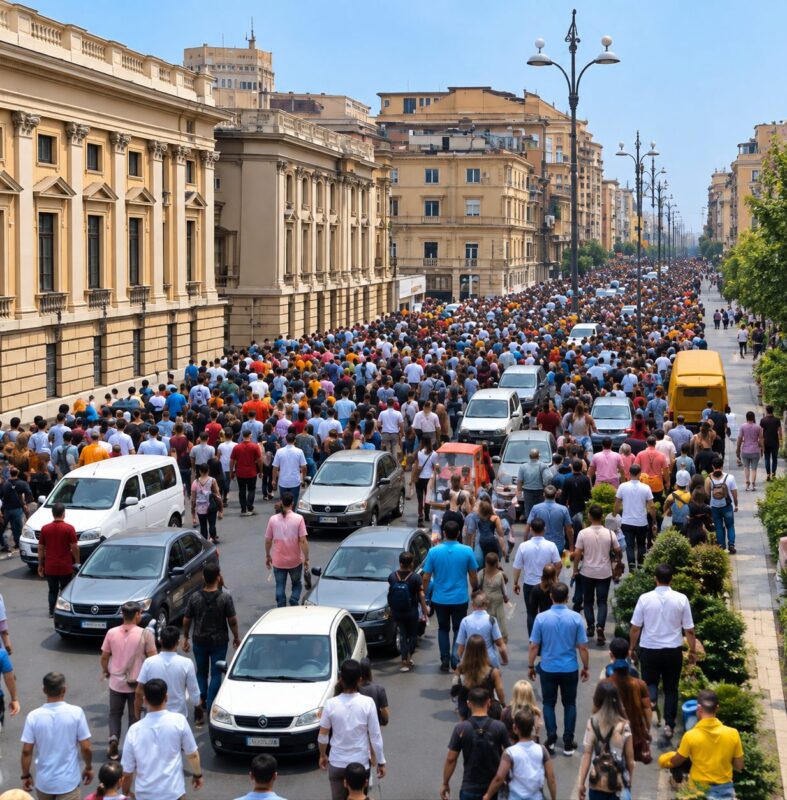
St. Peter’s Square was impressive, but the number of permanent residents was very small.
There were no endless residential neighborhoods like those in India’s megacities. There were no crowded school districts or enormous daily urban flows.
That contrast made me think about something important: population is not changing in the same way everywhere in the world.
In some countries, the number of people continues to grow.
In others, birth rates are falling, populations are aging, and young people are leaving smaller towns in search of work.
I visited a small European town where, years ago, the local school had been full of children. Now the playground was almost empty.
An elderly woman was sitting outside her home. When I asked why there were so few young people in the streets, she answered:
“Many of them left for the big cities. Some moved to other countries. Mostly, we are the ones who stayed.”
At that moment, I understood the other side of the population problem.
Having too few people can also become a major challenge.
If the number of young workers declines, there may be shortages of doctors, builders, teachers, and professionals in many other fields. At the same time, the number of older people may increase, meaning healthcare and social support systems need more resources.
So the world is facing two opposite situations.
In one place, the challenge is how to provide housing, schools, transportation, food, and water for a rapidly growing population.
In another, the question is how to keep the economy functioning when the working-age population is shrinking and society is aging.
At the end of my journey, I found myself once again in the center of a large city.
It was evening.
Lights were appearing one by one in the windows of the buildings. The streets were still crowded. A child walked beside his mother, holding her hand. An elderly man waited for a bus. Young people were leaving their offices after work.
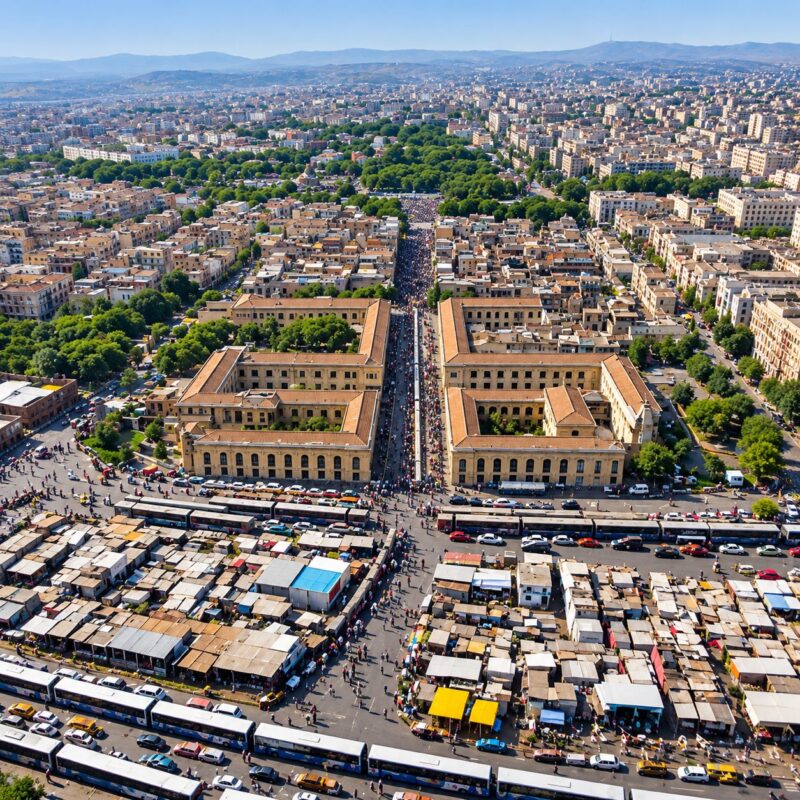
I stopped and simply watched them for a moment.
When we talk about the world’s population, we often say “eight billion people.”
But in reality, that means eight billion different lives.
Every person needs a home.
A job.
Food.
Water.
Education.
Healthcare.
A secure future.
And that is where the real challenge begins.
The question is not only how many people live in a country.
The question is whether that country can change together with its population.
Because populations can grow or shrink, cities can become crowded or empty, but if a society can adapt in time, the number of people becomes more than just a statistic.
It becomes a source of strength.
And if society cannot adapt, the same number can become one of its greatest challenges.