The boy was eighteen, and until the morning he collapsed, his life had seemed painfully ordinary. He lived with his parents on the outskirts of Faridabad, where the air smelled of dust, spices, and traffic. He laughed easily, dreamed vaguely about studying engineering, and never imagined that something invisible had already begun rewriting his fate deep inside his body 🧠.
The seizure struck without warning. One moment he was standing in the courtyard, the next his body stiffened and fell, limbs jerking violently as his mother screamed his name. Neighbors rushed in, someone called an ambulance, and within minutes he was speeding toward ESIC Medical College, unconscious, breath shallow, the echo of his convulsions still vibrating through the vehicle 🚑.
At the hospital, Dr. Nishanth Dev met the gurney at the doors. He had seen seizures before, hundreds of them, but something about this case unsettled him. The boy was confused when he briefly woke, his eyes unfocused, his words tangled. When Dr. Dev listened to the parents, the details piled up strangely: pain in the groin for days, swelling around one eye, a tenderness that seemed unrelated to the violence of the seizure. Unrelated, and yet impossible to ignore.
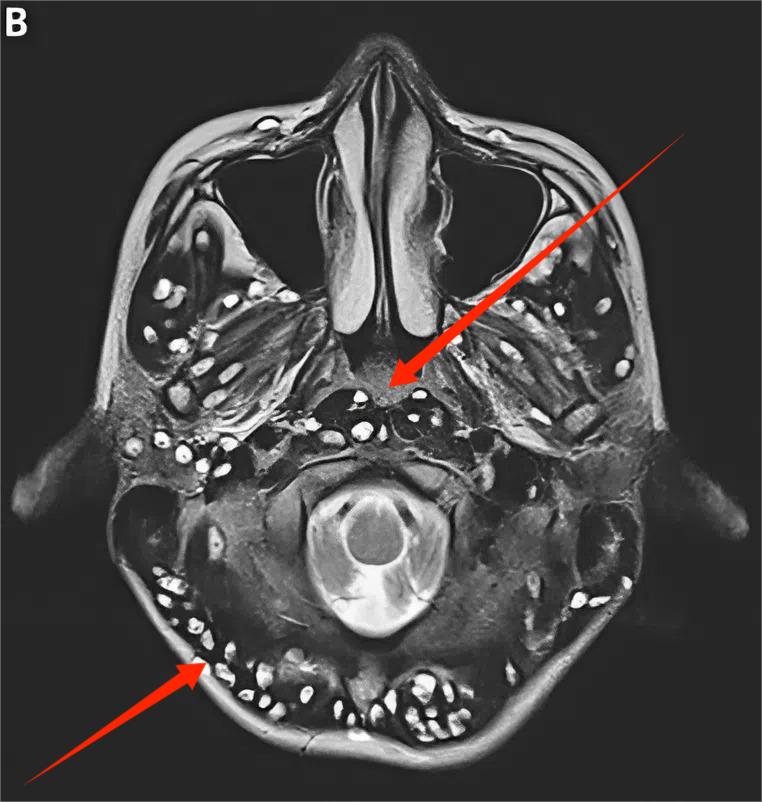
The MRI room was quiet except for the hum of the machine. When the images appeared on the screen, silence fell heavier than sound. White dots scattered across the cerebral cortex like stars in a cruel constellation. More lesions glowed in the brain stem, others in the cerebellum. Dr. Dev felt his chest tighten. He recognized the pattern immediately, the diagnosis forming before the report was finished 😔.
Neurocysticercosis.
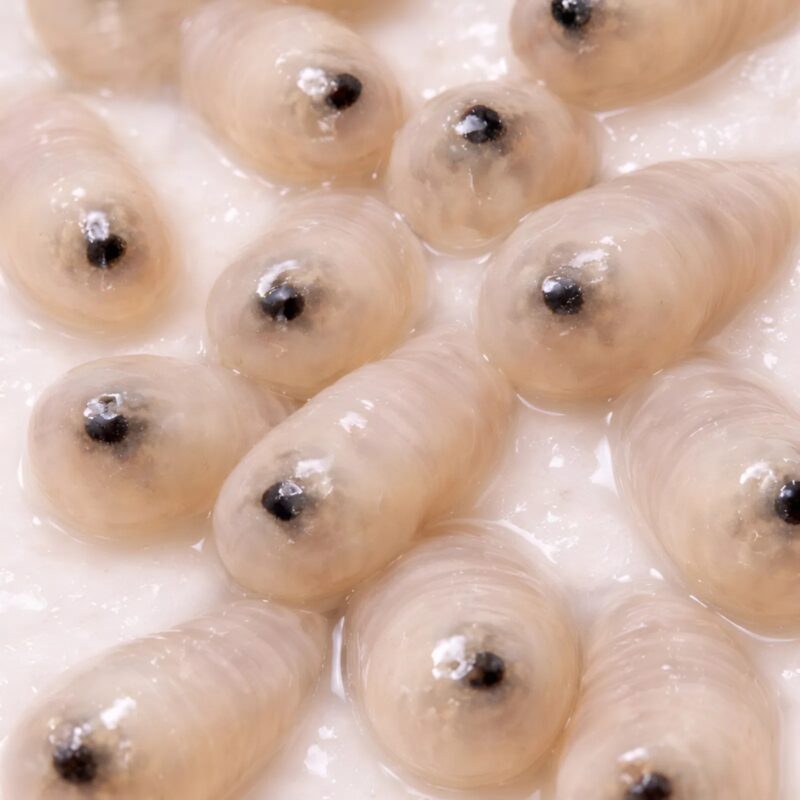
The words carried weight beyond their syllables. Parasitic larvae, Taenia solium, invading not just the gut but the mind itself. Cysts nesting where thoughts were born, where balance was controlled, where life quietly depended on fragile tissue. Serum tests confirmed it. The enemy had been living inside the boy for far longer than anyone realized.
Dr. Dev explained everything to the parents with careful, measured words. How under-cooked pork could carry microscopic larvae. How those larvae could travel, settle, multiply. How treating them was dangerous now, because killing the parasites could trigger swelling so severe it would crush the brain from within. He spoke of steroids, of seizure control, of hope that was cautious but sincere 💉.
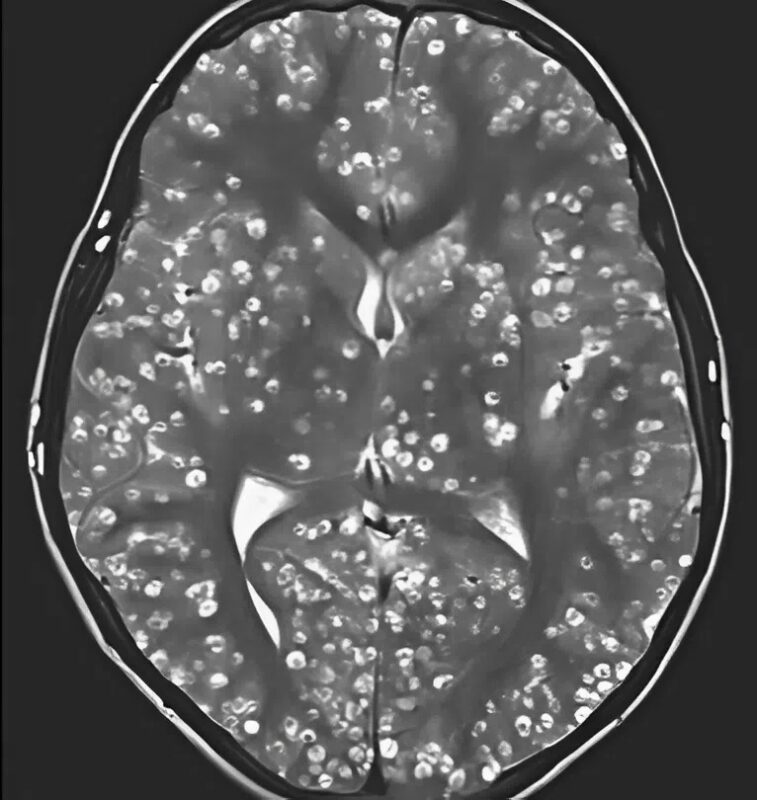
Days passed in a slow, clinical rhythm. Machines beeped. Nurses whispered. The boy drifted between sleep and confusion, sometimes calm, sometimes agitated. Dexamethasone reduced the inflammation slightly. Anti-epileptic drugs kept the seizures at bay. Dr. Dev visited every morning, studying scans, adjusting doses, searching for signs of improvement. He told himself that youth was on the boy’s side.
But the cysts were many, and they were everywhere.
As the second week approached, the boy’s condition worsened. His breathing became irregular. His pupils responded sluggishly. The swelling inside his skull increased despite treatment. One night, as rain tapped softly against the hospital windows, his heart slowed, then stopped. Efforts to revive him failed. At eighteen, his story appeared to end there 🕯️.
Dr. Dev signed the death certificate with a heavy hand. Another patient lost, another reminder of how thin the line between health and catastrophe could be. He attended the case conference days later, presenting the findings with professional detachment, even as the images burned into his memory. The boy became a case report, published, discussed, analyzed.
Life moved on.

Months later, during a community health outreach program in a nearby village, Dr. Dev stood under a canvas tent explaining food safety to a small crowd. He spoke about hygiene, about cooking meat thoroughly, about parasites that could destroy lives if ignored. People listened politely, some skeptically. Then an old man stepped forward, his voice trembling.
“My grandson,” the man said, “he used to talk about a boy from Faridabad who warned him. Said he stopped eating half-cooked meat because of him.”
Dr. Dev paused. “Warned him how?” he asked.
The man swallowed. “He said the boy told him in a dream. Said, ‘Cook it well. Don’t let them reach your head.’”
A strange chill ran through Dr. Dev’s spine. Dreams were grief’s playground, he knew that. Superstition bloomed easily where fear lived. And yet, that night, he couldn’t sleep.
Back at the hospital, curiosity gnawed at him. He reviewed the boy’s old scans once more. Something he had dismissed before caught his eye: the distribution of cysts was unusual, almost symmetrical in places where symmetry was rare. Patterns where randomness should rule. He consulted a colleague, then another. They shrugged. Biology was messy, they said.
Still, Dr. Dev couldn’t let it go.
Weeks later, a medical student approached him hesitantly. She had been researching neurocysticercosis cases for her thesis. “Sir,” she said, “this patient… his immune response was extraordinary. It’s as if his body was fighting, not just to survive, but to signal.”
“To signal what?” Dr. Dev asked.
She hesitated. “To warn. The inflammation patterns suggest repeated immune activation, like alarms going off over and over.”
That night, Dr. Dev dreamed. He stood in the MRI room, alone. The screen flickered, and the white dots rearranged themselves, forming words he couldn’t quite read. The boy stood beside him, calm, whole, smiling gently 🙂.
“You saw them,” the boy said. “Now make others see.”
Dr. Dev woke with his heart pounding.
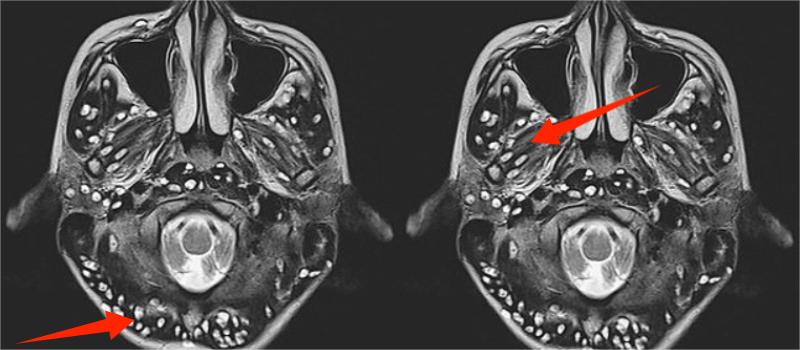
From that day on, he changed the way he practiced medicine. He pushed harder for public education, published articles in local languages, visited schools and markets, spoke on radio programs. He no longer saw the boy as just a tragic case, but as a messenger whose suffering carried a purpose 📢.
Years later, statistics showed a quiet shift. Fewer severe neurocysticercosis cases in the region. More awareness. Better outcomes. Dr. Dev never claimed miracles. He spoke only of prevention, of science, of responsibility.
But sometimes, when he looked at an MRI filled with harmless shadows instead of deadly cysts, he thought of an eighteen-year-old who never grew old. And he wondered whether death had truly silenced him, or whether his warning had simply found another way to travel — not through flesh, but through memory, choice, and change 🌱.